What Is a Fixation?
I first learned this term through the work of the late Peter Gerlach, MSW. He spent 15 years creating a remarkable body of work on childhood trauma, family dynamics, and inner healing before his passing in 2015. I was blessed to speak with him in 2014 during a very difficult time in my life, and his insights stayed with me.
In Gerlach’s framework, a fixation happens when a parent becomes so focused on a specific standard, object, or outcome that it becomes more important than the relationship with their child.
How Fixations Look in Everyday Life
Fixations can be as simple as an obsession with a spotless kitchen.
- One dirty dish in the sink becomes a fight.
- Instead of connection, the parent leads with judgment, shame, or blame.
Or, take a father who excelled in sports — football, boxing, basketball — and sees his son as an extension of himself. His fixation is for the son to match his athletic achievements, even if the child’s own interests lie elsewhere. The picture in the parent’s mind takes priority over the real, living relationship.
The Sock Story: How Small Things Become Big Wounds
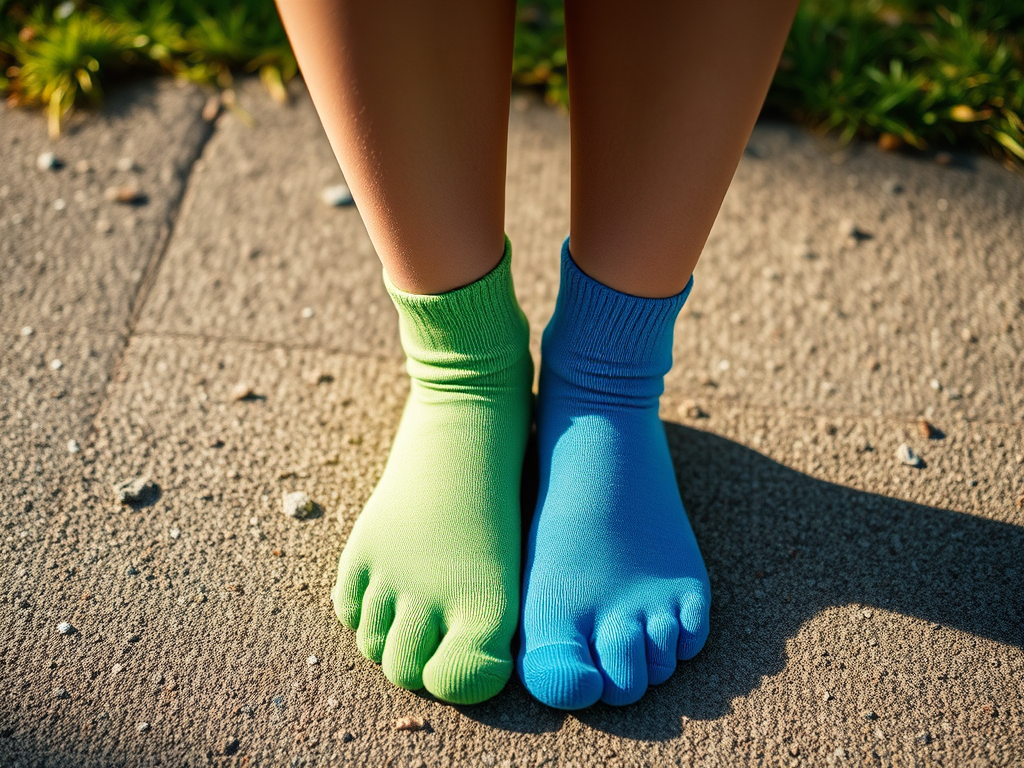
I once saw a little girl, around seven or eight, bubbling with excitement because she was going out with her dad. She got to the door, only for him to notice she had on one blue sock and one green sock.
Instead of brushing it off, he sent her back upstairs to change. The problem? She couldn’t find the matching socks — she had simply put on what she could.
By the time she came back down, her head was hung low in shame — that feeling that something is wrong with you, not just what you did. The joy of the moment was gone. The “sock incident” became a snapshot in her mind, imprinted with intense emotion, and those moments can leave chemical imprints in the body that affect long-term well-being.
Why This Matters for Healing Our Parenting
When fixations take center stage, children begin to associate being around us with tension instead of safety. Over time, this can create lasting damage:
- They avoid being around us once they have the choice.
- They carry nervousness or self-doubt into other relationships.
- The bond is weakened by years of small, avoidable wounds.
We must ask ourselves:
- Is my desire for cleanliness, order, appearance, or achievement stronger than my desire to connect with my child?
- Am I willing to loosen my standard to protect the relationship?
A Better Way
My own father was meticulous — the kind who aligned vacuum lines on the carpet. But he never let his perfectionism poison his relationships. If he saw a dish in the sink, he’d wash it himself, sometimes with a light comment, but always prioritizing connection over criticism.
That’s leadership. That’s love.
The Takeaway
Fixations may seem small in the moment, but they can poison the parent-child bond for years. As parents, we are called to put relationship above rigid standards. The immaculate kitchen, matching socks, or perfect picture in our minds is not worth losing the trust and warmth of our children.
When we choose connection over control, we plant seeds for lifelong closeness — and we break the cycle of shame and perfectionism that can pass down through generations.
Key Lessons:
- Fixations are relationship killers — they put objects or standards above people.
- Small incidents can leave lasting scars when handled with criticism instead of compassion.
- Connection must outweigh control if we want a strong lifelong bond with our children.
- Healing starts with self-awareness — notice when your standard is more about your own comfort or ego than your child’s well-being.
Reflection Prompt: Take a moment today to notice if your standards, habits, or personal fixations are coming before connection with your child. Ask yourself: What would love choose in this moment?
Every small step you take toward healing yourself is a step toward breaking generational cycles and building a legacy of trust and safety.
Healing Our Parenting isn’t about being perfect — it’s about being present, honest, and willing to grow alongside our children.
Until the next post,
Peace, Shalom and Salam,
Nela
 Nela's Nest
Leave a comment