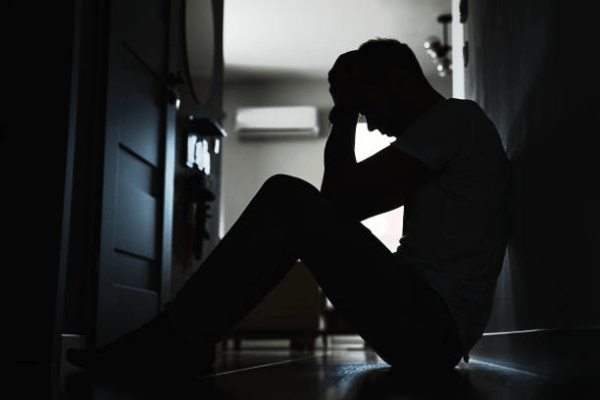
Religious Trauma Syndrome (RTS) refers to the lasting adverse effects on a person’s well-being caused by harmful religious experiences, beliefs, or practices. These often involve spiritual abuse, manipulation, or the use of fear, shame, and guilt to control behavior (EMDR Center of Denver; IntraSpectrum Counseling).
RTS is not unique to one religion. Survivors from Islamic sects, Christian cults like the Children of God, extreme Mormon groups, and even authoritarian evangelical circles describe remarkably similar patterns of harm. The language, clothing, and doctrines may differ, but the control, fear, and silencing are universal.
Here is where I stop apologizing. For years, I said “I’m sorry” too often. I do regret the pain my words may cause, but strongholds must be named before true spiritual freedom can be reached.
Harmful Religious Experiences
Common harmful practices across faith traditions include:
- Being ordered to pray in prescribed ways.
- Being ordered to fast, tithe, or perform rituals without choice.
- Being ordered to wear particular clothing.
- Being told to “be patient” or “submit” under harmful circumstances.
- Feeling like religious expectations are unattainable.
- Emphasis on collective identity over individuality.
Religious trauma occurs when a spiritual environment is stressful, degrading, dangerous, abusive, or damaging—whether to a person’s physical, emotional, mental, sexual, or spiritual health.
Gender and the Burden of Blame
In my Islamic experience, I often heard:
“I have not left anything more harmful and more detrimental on the men of this nation, than the women.” — attributed to Islamic tradition, agreed upon by scholars for centuries.
This mindset taught that women were the source of men’s downfall.
Christian cults echo the same idea through purity culture, modesty rules, and victim-blaming. In the Children of God, women were sexualized yet blamed for male temptation. In extreme LDS sects, girls were married off young under the belief that their worth was tied to obedience.
The message is the same: your gender makes you guilty before you even act.
Causes of Religious Trauma
1. Guilt and Shame
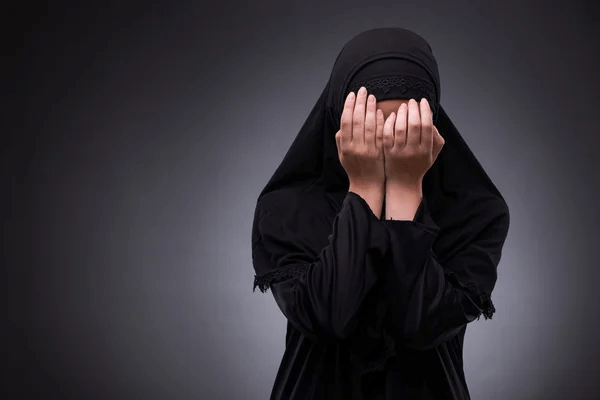
In Islam, I wore a face veil at the mosque because I felt ashamed to be the only woman uncovered. In Christian cults, shame often revolved around “impure thoughts,” failing to evangelize enough, or questioning the pastor.
2. Strict Gender Roles
In my world, men had authority, women had silence. In Mormon fundamentalist sects, women were groomed to be plural wives. In many evangelical churches, women are denied leadership roles with the phrase “God made men the head.”
3. Fear-Based Teaching
I feared hell, curses, and punishment. Survivors of Christian cults describe the same fear—whether of eternal damnation, missing the rapture, or being “cast out of God’s covering.” Fear, not love, became the motivator.
4. Excommunication and Shunning
In my community, “deviants” were cut off and so were those who associated with them. In Jehovah’s Witness congregations, families are instructed to shun those who leave. In extreme LDS groups, children are separated from parents who disobey leaders.
5. Repression of Critical Thinking
In Islam, we were told: “When Allah and His messenger have decreed a thing, we have no choice in the matter.” In Christian groups, the mantra is: “Touch not God’s anointed.” Both silence questions.
6. Abuse of Authority
Though I didn’t face physical or sexual abuse in Islam, I and numerous community members experienced deep emotional abuse in marriage. In other cults, survivors tell of sexual exploitation by leaders (Children of God) or financial control by authoritarian pastors.
Childhood Trauma Meets Toxic Religion
Why did I accept it? Because I was primed for it.
From ages 0–18, I moved between four households. My survival tools were freezing and fawning—doing whatever it took to be liked and accepted. Religious communities offered an illusion of safety, and so I stayed.
This is a common theme. Survivors of Christian and Mormon cults often describe being raised in instability, then finding false security in the structure of a controlling group.
Silencing Members
I was a teacher of Arabic and Quran, but as a Salafi woman, I had no authority. Speaking out would brand me “deviant.” And because of the repression of critical thinking, the word of ‘scholars’ was law, and we learned not to challenge.
Christian cult survivors describe the same silencing: women not allowed to preach, members forbidden from questioning “prophets,” and children raised to obey without hesitation.
Cult-Like Traits Across Faiths
No matter the label—Salafi, LDS, Jehovah’s Witness, evangelical cult, or Children of God—the traits are similar:
- Extreme Beliefs – socially deviant teachings.
- Isolation – separating from family, friends, or “outsiders.”
- Control – regulating thought, emotion, and behavior.
- Manipulation – guilt, shame, coercion.
- Loyalty – unquestioning allegiance to leaders.
Symptoms of Religious Trauma
Some of the lingering effects include:
- Compulsive perfectionism.
In the Salafi community, women and girls stressed over the jilbab, face veils, nail polish, makeup and shoes that made no noise. In evangelical circles, children stress over “appearing holy” enough—memorizing verses, praying publicly, serving constantly. - Faith crisis and disillusionment. A faith crisis involves a period of significant doubt, questioning, and uncertainty about one’s beliefs. We saw many of our children experience this, but we labeled it as youthful rebellion.
- Self-hatred, low self-worth, shame.
Whether failing to pray perfectly or not evangelizing enough, no one could live up to the impossible standards. - Hypervigilance. Individuals are constantly scanning for potential threats, dangers, or signs of sin or disapproval within their religious environment.
- Lack of boundaries.
Some religious communities often invade personal lives—dictating marriage, finances, parenting, or even medical care.
I admit that sometimes I played the role of the “critical sister.” I believe that I did hurt others, and for that, I repent. Survivors of Christian cults share the same pain: once victims, sometimes perpetrators.
Moving Toward Healing
Healing begins with recognition. Religious trauma is real. It is not a sign of weakness or lack of faith.
Across faiths, survivors describe the same freedom: naming the harm, breaking the silence, and rediscovering that love—not fear—is the foundation of true spirituality.
Reflection Prompt
Have you ever felt controlled by fear, guilt, or shame in your religious experience? What would it look like to begin redefining faith through love instead of fear?
Finding Hope Beyond Religious Trauma
Religious trauma can leave deep scars, but it does not have to define the rest of your life. The fact that you are even reading this, questioning, or seeking clarity is proof of your strength.
Healing is possible. Survivors across faith traditions testify that life on the other side of fear is freer, lighter, and more authentic. Healing may look like:
- Learning to trust your own voice again.
- Building safe relationships and community.
- Exploring faith or spirituality in a way that is rooted in love, not fear.
- Releasing shame and perfectionism, step by step.
For me, the journey has been about unlearning fear and rediscovering a God of love. For others, it may be therapy, journaling, or simply giving themselves permission to rest from religion for a while. There is no single path, but there is one truth: you are not broken, and you are not alone.
Your worth has never depended on how perfectly you followed rules, but on the fact that you are deeply loved.
This is why I share my story—not to dwell on pain, but to remind anyone listening that freedom is possible. You can step out of fear and into love.
Peace, Shalom, and Salam,
Nela



 Nela's Nest
An hour or so after producing this piece, it hit me very hard. I actually had to check in with…