A Sanctuary for Trauma Healing, Not a Spotlight on Me
What brought me here is not why I am here.
Yes, it was trauma—religious trauma, emotional trauma, and the collapse of everything I thought was true—that pushed me into the healing process. My story includes an emotional breakdown in 2018, a faith crisis the following year, and the slow, agonizing unraveling of a belief system I had committed to for more than 25 years. Those experiences shook me awake. They forced me to confront the gap between what I believed and what I truly knew in my soul.
But make no mistake: that is not why Nela’s Nest exists.
My personal story is simply the doorway. It is not the destination.
I share pieces of my journey—my years in the Middle East, my deconstruction process, the grief I carried, and the truths I uncovered—not to center myself, but to create connection. I offer my experience as a bridge so others don’t feel alone as they walk their own difficult path toward healing.
Because the real mission of Nela’s Nest is this:
🌿 To support the healing and recovery of those who carry childhood trauma, spiritual trauma, or both.
What I learned on my own journey is something I never expected: The religious and spiritual wounds I suffered did not begin with religion. They were rooted in my childhood.
Unmet needs. Silent pain. Confusion that had no language. A longing to belong. Fear of disappointing people who held power over me.
These early wounds laid the foundation for later spiritual trauma. They created vulnerabilities—openings—through which harmful teachings, rigid systems, and fear-based doctrines took hold.
When I finally began untangling my religious trauma, I found the deeper root beneath it. And that changed everything.
🌱 Healing, I discovered, is an inside-out process.
You cannot heal religious trauma without addressing the childhood patterns that allowed it to shape you. You cannot reclaim your spiritual life without understanding the emotional life that lived beneath it. You cannot build a new identity without honoring the parts of you that were silenced, ignored, or conditioned to accept harm.
Nela’s Nest was created to support you through this entire journey.
This is a space for:
asking questions without fear
understanding the connection between childhood wounds and spiritual patterns
learning how trauma shapes the way we believe, trust, love, and relate
rebuilding a sense of self rooted in truth, not fear
finding compassion for the parts of you that had to survive
I am here not as a guru, not as a religious authority, and not as the center of the story— but as a fellow traveler who learned how to climb out of a deep, dark place and now extends a hand to help others find their way too.
Welcome to the Nest. This is your sanctuary. This is your soft place to land. This is where healing begins.
Religious Trauma Syndrome (RTS) refers to the lasting adverse effects on a person’s well-being caused by harmful religious experiences, beliefs, or practices. These often involve spiritual abuse, manipulation, or the use of fear, shame, and guilt to control behavior (EMDR Center of Denver; IntraSpectrum Counseling).
RTS is not unique to one religion. Survivors from Islamic sects, Christian cults like the Children of God, extreme Mormon groups, and even authoritarian evangelical circles describe remarkably similar patterns of harm. The language, clothing, and doctrines may differ, but the control, fear, and silencing are universal.
Here is where I stop apologizing. For years, I said “I’m sorry” too often. I do regret the pain my words may cause, but strongholds must be named before true spiritual freedom can be reached.
Harmful Religious Experiences
Common harmful practices across faith traditions include:
Being ordered to pray in prescribed ways.
Being ordered to fast, tithe, or perform rituals without choice.
Being ordered to wear particular clothing.
Being told to “be patient” or “submit” under harmful circumstances.
Feeling like religious expectations are unattainable.
Emphasis on collective identity over individuality.
Religious trauma occurs when a spiritual environment is stressful, degrading, dangerous, abusive, or damaging—whether to a person’s physical, emotional, mental, sexual, or spiritual health.
Gender and the Burden of Blame
In my Islamic experience, I often heard:
“I have not left anything more harmful and more detrimental on the men of this nation, than the women.” — attributed to Islamic tradition, agreed upon by scholars for centuries.
This mindset taught that women were the source of men’s downfall.
Christian cults echo the same idea through purity culture, modesty rules, and victim-blaming. In the Children of God, women were sexualized yet blamed for male temptation. In extreme LDS sects, girls were married off young under the belief that their worth was tied to obedience.
The message is the same: your gender makes you guilty before you even act.
Causes of Religious Trauma
1. Guilt and Shame In Islam, I wore a face veil at the mosque because I felt ashamed to be the only woman uncovered. In Christian cults, shame often revolved around “impure thoughts,” failing to evangelize enough, or questioning the pastor.
2. Strict Gender Roles In my world, men had authority, women had silence. In Mormon fundamentalist sects, women were groomed to be plural wives. In many evangelical churches, women are denied leadership roles with the phrase “God made men the head.”
3. Fear-Based Teaching I feared hell, curses, and punishment. Survivors of Christian cults describe the same fear—whether of eternal damnation, missing the rapture, or being “cast out of God’s covering.” Fear, not love, became the motivator.
4. Excommunication and Shunning In my community, “deviants” were cut off and so were those who associated with them. In Jehovah’s Witness congregations, families are instructed to shun those who leave. In extreme LDS groups, children are separated from parents who disobey leaders.
5. Repression of Critical Thinking In Islam, we were told: “When Allah and His messenger have decreed a thing, we have no choice in the matter.” In Christian groups, the mantra is: “Touch not God’s anointed.” Both silence questions.
6. Abuse of Authority Though I didn’t face physical or sexual abuse in Islam, I and numerous community members experienced deep emotional abuse in marriage. In other cults, survivors tell of sexual exploitation by leaders (Children of God) or financial control by authoritarian pastors.
Childhood Trauma Meets Toxic Religion
Why did I accept it? Because I was primed for it.
From ages 0–18, I moved between four households. My survival tools were freezing and fawning—doing whatever it took to be liked and accepted. Religious communities offered an illusion of safety, and so I stayed.
This is a common theme. Survivors of Christian and Mormon cults often describe being raised in instability, then finding false security in the structure of a controlling group.
Silencing Members
I was a teacher of Arabic and Quran, but as a Salafi woman, I had no authority. Speaking out would brand me “deviant.” And because of the repression of critical thinking, the word of ‘scholars’ was law, and we learned not to challenge.
Christian cult survivors describe the same silencing: women not allowed to preach, members forbidden from questioning “prophets,” and children raised to obey without hesitation.
Cult-Like Traits Across Faiths
No matter the label—Salafi, LDS, Jehovah’s Witness, evangelical cult, or Children of God—the traits are similar:
Extreme Beliefs – socially deviant teachings.
Isolation – separating from family, friends, or “outsiders.”
Control – regulating thought, emotion, and behavior.
Manipulation – guilt, shame, coercion.
Loyalty – unquestioning allegiance to leaders.
Symptoms of Religious Trauma
Some of the lingering effects include:
Compulsive perfectionism. In the Salafi community, women and girls stressed over the jilbab, face veils, nail polish, makeup and shoes that made no noise. In evangelical circles, children stress over “appearing holy” enough—memorizing verses, praying publicly, serving constantly.
Faith crisis and disillusionment. A faith crisis involves a period of significant doubt, questioning, and uncertainty about one’s beliefs. We saw many of our children experience this, but we labeled it as youthful rebellion.
Self-hatred, low self-worth, shame. Whether failing to pray perfectly or not evangelizing enough, no one could live up to the impossible standards.
Hypervigilance. Individuals are constantly scanning for potential threats, dangers, or signs of sin or disapproval within their religious environment.
Lack of boundaries. Some religious communities often invade personal lives—dictating marriage, finances, parenting, or even medical care.
I admit that sometimes I played the role of the “critical sister.” I believe that I did hurt others, and for that, I repent. Survivors of Christian cults share the same pain: once victims, sometimes perpetrators.
Moving Toward Healing
Healing begins with recognition. Religious trauma is real. It is not a sign of weakness or lack of faith.
Across faiths, survivors describe the same freedom: naming the harm, breaking the silence, and rediscovering that love—not fear—is the foundation of true spirituality.
Reflection Prompt
Have you ever felt controlled by fear, guilt, or shame in your religious experience? What would it look like to begin redefining faith through love instead of fear?
Finding Hope Beyond Religious Trauma
Religious trauma can leave deep scars, but it does not have to define the rest of your life. The fact that you are even reading this, questioning, or seeking clarity is proof of your strength.
Healing is possible. Survivors across faith traditions testify that life on the other side of fear is freer, lighter, and more authentic. Healing may look like:
Learning to trust your own voice again.
Building safe relationships and community.
Exploring faith or spirituality in a way that is rooted in love, not fear.
Releasing shame and perfectionism, step by step.
For me, the journey has been about unlearning fear and rediscovering a God of love. For others, it may be therapy, journaling, or simply giving themselves permission to rest from religion for a while. There is no single path, but there is one truth: you are not broken, and you are not alone.
Your worth has never depended on how perfectly you followed rules, but on the fact that you are deeply loved.
This is why I share my story—not to dwell on pain, but to remind anyone listening that freedom is possible. You can step out of fear and into love.
🌿 Finding Your Way Back to You: A Gentle Beginning with Handpan Music by Malte Marten
Welcome, Precious One.
If you’ve found yourself here, maybe something inside is stirring—calling you toward healing, toward peace, or just toward something more. Whether you’re just beginning to explore your spiritual path, tending to emotional wounds, or simply trying to reconnect with your inner self, know this: you are not alone, and you are right on time.
This journey is not about fixing what’s broken—it’s about returning to your wholeness, slowly and gently.
“He restoreth my soul: he leadeth me in the paths of righteousness for his name’s sake.” — Psalm 23:3 (KJV)
Where is your soul being invited to rest and restore today?
Here are three powerful and loving steps to help ground you as you begin this sacred work.
🌸 Three Things to Do When You’re Just Beginning
If you are beginning your own journey of healing—emotionally, spiritually, or both—here are three powerful steps to ground your process:
1. Practice Breathwork
Breath is our anchor. It’s the gateway to slowing down, feeling our body, and reconnecting with ourselves.
Many of us live in survival mode—tense shoulders, clenched jaws, stiff backs, or even clenched buttocks (yes, I discovered that too!). These are signs of fight, flight, or freeze responses from past trauma.
Breathwork helps dismantle these walls gently. Start with noticing your breath. Lengthen your exhale. Breathe into the tight places. And most importantly, feel what it’s like to simply be in your body.
Thare are coaches on You Tube who can guide you in various breathing practices. If you would like to explore this deeper with me, I will be hosting a workshop very soon here at Nela’s Nest.
2. Build a Circle of SupportHealing is not meant to be done alone.
Surround yourself with 2 or even 3 trusted, safe people—friends, mentors, family—who will hold space for you. These are the folks who give the best hugs, who will sit with you over a cup of tea, and who can simply be present without judgment.
Let them know you’re beginning a healing journey. You may include a clinical therapist in your journey. Having someone with a clinical background to listen and help you identify, or even diagnose things that may be going on inside of you. Whether or not you include a therapist or coach is up to you,—but never underestimate the power of gentle, consistent support.
3. Give Yourself Grace
This may be the hardest and most important step: be kind to yourself.
Painful memories may surface. You might wonder why you tolerated certain things. You may feel guilt or shame.
But here’s what I want you to remember:
Guilt says: I did something wrong.
Shame says: I am something wrong.
Neither defines who you truly are.
Give yourself grace. Talk to yourself kindly. Hug yourself. Look in the mirror and say, “I love you.” Or if that’s too hard, just point to your reflection and say, “You are loved. You are supported. You are worthy.”
This is a lifelong journey. It’s not linear. But every breath, every prayer, every moment of grace is a step forward.
From my heart to yours—thank you for flying into Nella’s Nest today.
This morning, my daughter started her first real job. Not just a part-time gig or something casual—her first truly “adult” job. A sales position uptown where she said she could make as much money as she wants… kind of.
As a mom, I felt a wave of pride—and also a tug of nervousness. I know sales demands confidence. I also know how delicate that confidence can be, especially if it’s been undermined in subtle ways by the kind of parenting I once practiced. Parenting shaped by fear. By rules. By the pressure of a strict religious environment.
So I offered a small gesture of support: “Let me walk you to the bus station.”
It’s only a five-minute walk. But to me, it felt like a quiet chance to uplift her—and, if I’m honest, to gently undo some of the damage I may have caused over the years.
She agreed. I said, “We can walk and talk. I want to share something Solomon once said.”
She glanced at me sideways, suspicious.. “Mom… is this from the Bible?”
“Yes,” I smiled. “But you know Sulaiman,” I added in Arabic, hoping it might sound more familiar, more approachable. “He was a powerful prophet and king!”
We started walking. Well—she started walking. At nineteen, her legs are long and fast. Mine, not so much. I was falling behind, breathless.
She glanced back, called out, “Gotta go! There’s the bus!”
My shoulders drooped. I had missed my moment.
But just as she stepped onto the bus, she turned and shouted over her shoulder:
“Text me what Solomon said!”
Something about that moment felt like an opening. Not because I’m trying to change her—her spiritual journey will unfold in its own time when the season is right. But I want her to have full access to the richness of God’s Word and the spiritual abundance that’s already meant for her.
Soloman’s words?
“Above all else, guard your heart, for everything you do flows from it.” (Proverbs 4:23)
A seed planted. A step toward healing. For both of us.
💬 Have you had a moment like this—where a small exchange held deep healing?
I’d love to hear from you. Drop a comment below, or share this post with someone who’s healing from faith, parenting, or spiritual wounds.
Let’s keep these conversations going—because healing grows stronger when it’s shared.
What does that mean? It means intentionally re-entering spaces or dynamics that once hurt me—but this time, with new tools, insight, and boundaries. The goal is to rewire the way my body and mind respond. I don’t just relive the experience—I redo it with wisdom and strength.
For me, a big part of that correctional work has been learning to engage with men again—safely, selectively, and intentionally.
From Wounds to Wisdom
I converted to Islam at 22, but my trauma started long before that— And unfortunately, my experience in Islamic marriage did not heal that—it deepened the trauma. I wasn’t nurtured, seen, or emotionally safe. I was ordered, shamed, and then abandoned,
I have had to relearn what it means to be in the presence of a man. Not as a wife. Not as someone bound by rules or shame or being threatened with punishments.
Prophet Muhammad said: “When a man invites his wife to his bed and she does not come, and he (the husband) spends the night being angry with her, the angels curse her until morning.” (Sahih Muslim)
and
Prophet Muhammad also said: “I was shown the Hell-fire and that the majority of its dwellers were women who were ungrateful.”
In the past, hadith like these had haunted me, deepening my shame and fueling my quest for perfectionism.
But now, showing up as a whole healed woman, I’ve been dating—and I mean truly dating. Dinners, concerts, conversations, mini-golf, walks. Not chasing marriage. Just enjoying respectful company and learning to receive healthy masculine energy.
And you know what? It’s been healing.
A Return to Self-Worth
Being treated like a queen—cherished, not merely tolerated or preached to—felt revolutionary after everything I had endured and watched my friends endure. To be taken out, cared for, and truly seen was more than just refreshing; it was healing.
Traditional dating didn’t just teach me about men—it taught me about myself. I realized how nervous I used to be, how I stumbled through conversations, unsure of how to relate to the opposite sex after years in a strictly segregated religious environment. I often said the wrong things—or shut down entirely.
But I’ve grown.
You know, knowing my value changed everything.
Once the fear dissolved… I learned to see men—differently. I no longer spoke from a place of fear or obligation, avoiding eye contact and hoping I’m doing the right thing. Instead, I now speak with ease and comfort knowing that as a woman, I am just as valuable to God as he is as a man.
And I learned to listen, not just to words, but… to a man’s heart. Men actually have hearts!
And once I could hear that… everything shifted. I began to see things—things most people miss. I could sense what weighed on him. I could tell when he was guarded… or when he was silently screaming for someone to truly see him.
Now, I can spot certain things in a man almost instantly. And because of that… men often open up to me. They share the quiet things. The tender things. The things they’ve never said out loud.
And when they do… I honor them.
I don’t use a man’s vulnerability against him. I don’t interrupt it. I hold space for it.
Because when a man lets you see his heart, that’s not weakness—it’s sacred. And I treat it as such.
This, I believe, is part of becoming an emotionally healthy woman: not only knowing your worth, but also holding space for the humanity in others—without losing yourself in the process.
The Inner Work
My modesty, my etiquette, my grace—I do thank Islam for that. It taught me dignity, self-restraint, and the value of carrying oneself with purpose.
But my inner healing—my self-love, my freedom from judgment, my ability to breathe—that came from Jesus.
It was Jesus who transformed my heart. Who released me from being hardened, legalistic, and self-critical. Who took the inner struggle and replaced it with peace. And that’s a healing I could never have predicted.
Masculine Energy Without Romance
Not every healing moment involved dating. Some of the most nurturing male energy I’ve received has been in platonic spaces—like the men at church who greet me with side hugs and genuine concern, who ask how I’m doing, who offer help with no hidden motive.
It reminded me that masculine energy doesn’t always have to be romantic or sexual to be healing. Just being seen and honored by good men has been therapy for my soul.
The Formula That Changed Everything
Here’s a powerful practice I learned from my first life coach (and then saw modeled in real life):
When dating, don’t just focus on what went wrong. Look at what went right. Ask yourself: ✨ What did I like about this person? ✨ What quality made me feel safe, seen, or appreciated?
Then write those qualities down. Over time, you build a clear, personal picture of the kind of man you’re truly seeking—based on values, not appearances. It’s no longer “I want someone like Mike or John.” It’s “I want someone who’s emotionally available, or deeply spiritual, or adventurous.”
You strip away the face, and you focus on the substance.
Freedom at Fifty
When I left my marriage, I was told no one would want me. “You’re about to be 50. Who’s going to want you?” But here’s the truth: I’ve never been more wanted. Not just physically—but spiritually, emotionally, intellectually. The right men see me. They value me. And more importantly, I value me.
I’m not who I was three or five years ago. That woman is gone. I’ve been reborn. My standards have changed, my energy has changed, my whole identity has been redefined.
Healing is an Open Door
If you’re in a religious space that doesn’t allow dating, you can still have these conversations—with brothers, cousins, uncles, fathers, or mentors. Ask the men in your life about their views on manhood, relationships, heartbreak, and healing. You might be surprised by what you learn.
Healing from trauma isn’t always about looking inward. Sometimes it’s about reaching across the line, sitting in unfamiliar company, and letting yourself be loved differently.
✨ Journaling Prompt:
What has your experience with masculine energy been like? How has it helped—or hindered—your healing? In what ways can you begin to rewrite that story today?
📖 Scripture Reflection:
“Behold, I will do a new thing; now it shall spring forth; shall ye not know it?” — Isaiah 43:19
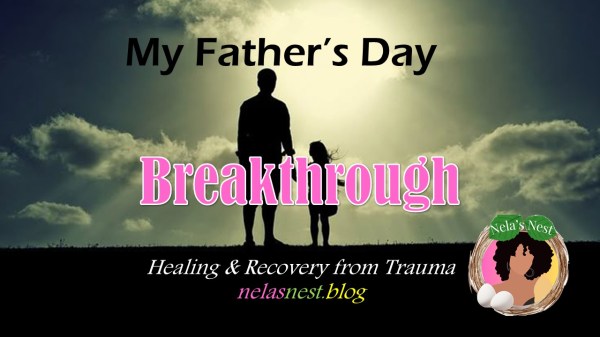
This weekend, I had a breakthrough—one that quietly unfolded over music, laughter, and the scent of homemade brunch.
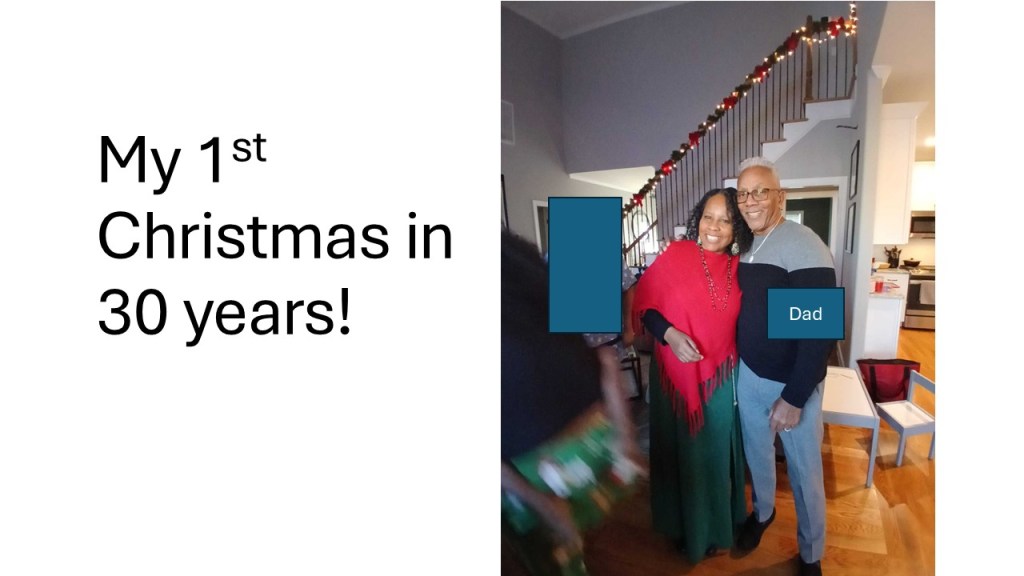
My siblings and I spent Father’s Day weekend with our dad. We didn’t go out or make big plans. We stayed in, talked, cooked, played music, danced around the house, and watched movies. It was beautiful, intimate, and simple.
The next day, while sitting by the lake and reflecting on the weekend, something incredible happened.
I started praying for my father.
That might sound normal, even obvious, to some. But for me, it was a radical, healing moment. It was the first time I had ever done it. I prayed for his health. I prayed for the longevity of his life. I prayed with genuine love in my heart—and I was overcome. I wept tears of joy and gratitude.
Because for most of my adult life, I believed I wasn’t allowed to.
Undoing False Teaching: When Love Was Forbidden
I spent 27 years as a strict Salafi Muslim. For those unfamiliar, Salafism is a conservative and deeply literalist interpretation of Islam, closely aligned with the scholars of Saudi Arabia. One of its foundational principles is al-walaa wal-baraa—a doctrine that teaches loyalty and allegiance to fellow Muslims and disassociation or even hostility toward non-Muslims.
In practice, this means you’re taught to love and support those who follow your faith, and to emotionally distance yourself—or even hate—those who don’t.
Yes, including your parents.
Yes, including your Christian dad on Father’s Day.
As a young student, I memorized verses like these:
“O believers! Do not take Jews and Christians as allies. They are allies of one another…” (Qur’an 5:51)
“You will not find a people who believe in Allah and the Last Day loving those who oppose Allah and His Messenger, even if they were their fathers or sons or brothers…” (Qur’an 58:22)
“And the Jews will never be pleased with you, nor the Christians, until you follow their religion.” (Qur’an 2:120)
These verses were drilled into us in context that made their interpretation clear: love is reserved for believers. Anyone outside of Islam—especially Jews and Christians—are either your adversaries or your mission field.
When Hatred Was Framed as Holiness
As a student in Cairo, I remember eagerly listening to cassette tapes from popular Salafi scholars. One tape by Sheikh Muhammad …. was a fiery response to a controversial cartoon of the Prophet Muhammad. The title was chilling: “No—They Are the Pigs and Swine.” It referenced a Qur’anic story where a group of Jews were transformed into monkeys and pigs as punishment.
This kind of rhetoric was widespread in the circles I moved in. In Saudi Arabia, I studied under female students of well-known Salafi scholars like Sheikh U…. I remember clearly one study circle where we discussed how to treat non-Muslim relatives. I asked what felt like a very personal question:
“But what about our parents? Can we love them?”
The answer was unwavering: No.
You could show them kindness. You could be polite. But love? That was reserved only for the believers.
The only acceptable prayer for them was a plea for their conversion to Islam. Nothing else.
I remember one of my Arab friends asking me one time, “Your father’s not Muslim yet?” I said, “no,” feeling ashamed. “You are not making dua/praying for him.” she scolded me.
The Lie Unraveled
Today, I see things differently.
No longer do I believe in a God who commands me to suppress love, especially for the people who raised me, nurtured me, and celebrated me. My father is still a devout Christian. And I’m not praying for him to become something else. I’m praying for his heart, his peace, his strength, and his joy.
And I feel no shame in doing that.
In fact, I feel free.
A Message to My Former Self—and Others Like Me
To the younger version of me who thought loving her family meant betraying her faith—I’m so sorry. You deserved better theology.
To those who are still wrestling with fear and guilt because of the things you were taught in the name of God—keep wrestling. God can handle your questions.
And to my father—thank you. Thank you for being constant. Thank you for your love. Thank you for always seeing me, even when I was taught not to see you fully.
This Father’s Day, I didn’t just celebrate you. I reclaimed you.
This is the day which the Lord hath made; we will rejoice and be glad in it. Psalm 118:24
Very simple, very profound.
To rejoice is to experience and express profound joy and happiness. It involves being deeply pleased and celebrating the good things in life. Rejoicing in the Lord involves acknowledging God’s grace and presence in your life, even in difficult times. There are many ways to express joy in the body and this has numerous health benefits. Though every religion has sacred days dedicated to celebration, expressions of joy need not be limited to one specific day.
Faith Meets Emotion: A Divine Pairing
The verse in Psalm 118:24 contains two truths: first, that God is the creator of each day (a statement of faith), and second, that we are invited to respond to that creation with joy (an emotional expression).
Coming from Islam to Christianity, this idea of being joyful is still new to me. In my previous religious practice, there was much concern about the legalities of doing the right things in the right way, at the right times. Awe and fear were most important feelings to have towards God and the worship of Him. However, to follow Christ is to embrace a love and grace-based faith where emotional expression—rejoicing—is not only allowed but encouraged.
When the last chains of my spiritual shame were broken…I cried…hard! I wept from a place inside me I didn’t know about. I wept in the crevices where there were spider webs on old pain and its lies. And after a good hard minute or 2 of weeping, something strange happened…I laughed. I laughed so hard, and I jumped! and I shouted! I shouted, “This is the best night ever!!!” Kind of corny but the truth. I rejoiced that my guilt and shame had truly been cast away! The lightness I felt is
Ultimately, spiritual and emotional health go hand in hand. Rejoicing is an emotional act, yes, but also a spiritual one. The more we celebrate God’s grace, the more we open ourselves to healing. This union of spirit and emotion is not new. It echoes across scriptures and sacred traditions. Psalm 98 invites creation itself—the rivers, the mountains—to rejoice. Joy, then, is not only human but cosmic.
Why rejoice?
The Sacred Power of Rejoicing on Emotional, Spiritual, and Physical Health
Someone might say, “Why should I rejoice when life is so bad?” The focus on negative aspects of life can begin a cycle of discontent. A person may cite a myriad reasons—ranging from economic instability to personal failures—that justify their unhappiness. This mindset not only diminishes one’s quality of life but also contradicts the biblical exhortation found in Philippians 4:4: “Rejoice in the Lord always; again I will say, rejoice!” The call to rejoice serves as a reminder that emotional and spiritual health are interconnected; neglecting one invariably affects the other
Rejoicing in the Lord means finding joy and delight in God, not just in fleeting emotions, but in a deeper, more profound state of joy rooted in your relationship with Him and His love. It’s a choice to focus on God’s goodness and blessings, even when facing difficulties, and to trust in His promises and plan. Rejoicing strengthens your faith, offers hope and stabilitiy, and is a way to emulate Jesus.
Joy has been scientifically linked to numerous health benefits, impacting both physical and mental well-being. It can lead to improved cardiovascular health, reduced stress, and even a strengthened immune system. Moreover, experiencing joy can enhance mental resilience and improve sleep quality. Joy enhances mental well-being, improves memory, and increases creativity.
What does rejoicing look like?
Rejoicing in Practice: Tools for Embodied Joy
Rejoicing is not always spontaneous. Sometimes, it must be practiced, cultivated, even scheduled. I want to provide a simple and profound toolkit for doing just that: These practices are not tied to one religion—they are universal expressions of humanity. I would challenge readers of all faiths (or none) to ask themselves: What does rejoicing look like for you? What makes you want to rejoice? Laugh? But right now, let’s just rejoice. I would love for you to rejoice with me! How are we going to rejoice?
We’re going to shout! – Releasing vocal energy frees the nervous system and stirs confidence.
We’re going to dance, jump, and stomp! – Moving to rhythm creates joy in the body and connects people to cultural roots.
We’re going to laugh until we cry!
We’re going to sing songs of Victory! Music lifts the soul, whether it’s gospel, African spirituals, or a handpan melody.
We’re going to clap – applauding the goodness of God
We’re going to raise our arms and hands to the heavens – viscerally surrendering our will to the Almighty and opening up a divine portal,k ready to receive
Psalm 98:8 says: “Let the rivers clap their hands, Let the mountains sing together for joy.”
”Oh clap your hands, all ye peoples; Shout unto God with the voice of triumph. Psalms 47:1
Journal Entry
Have a journal, 2 good pens, a highlighter. and a Bible; whether digital or in text. These are the tools that you need.
Focus on God’s grace: Acknowledge His presence in your life and His unwavering love.
Pray and meditate: Engage in prayer to strengthen your faith and find peace in God’s love.
Find joy in service: Help others and give back to your community, finding joy in making a difference.
Journal with Intention – Writing down blessings, thoughts, or prayers makes internal joy visible.
Meditate on Scripture – Let verses like Psalm 47:1 and Psalm 98:8 shape the language of praise: “Oh clap your hands, all ye peoples… Let the rivers clap their hands.”
What does rejoicing look or sound like for you? When was the last time you allowed yourself to fully rejoice, no matter your circumstances?
Share you thoughts, reflections, or discoveries by email or in the comments.
“Weeping may endure for a night, but joy comes in the morning.” — Psalm 30:5
Good morning. This is Nela, and this is your morning message. I love these moments in the morning because when I wake up, I feel renewed. I feel refreshed. And before we go further, I want to gently let you know—I will speak about Jesus Christ in this message, because that’s where my healing and transformation live.
Yesterday, I had a deeply emotional moment. I was reflecting on my old religious community—my friends, my former students, my mentors—people I genuinely loved and who loved me for many years. When news of my conversion spread, their response was sorrowful, even accusatory. They said, “You mocked us. You attacked our beliefs.”
To be honest, I was shocked. That’s not how I saw it. I wasn’t attacking—I was just telling my story. And my story is wrapped up in Islam, what I learned from it, and how I experienced it. But it also includes something new: my transformation through Christ.
In that moment of accusation, I began to question myself: Am I a terrible person? Am I cold-hearted for not feeling the pain they feel? I couldn’t find an open appointment with my therapist, so instead, I brought it to the Holy Spirit and surrendered it in prayer. I went to sleep, and in the morning—it was clear.
“Weeping may endure for a night, but joy comes in the morning.”
For months, I had lived in a space between two identities: the Muslim woman dressed in black, teaching Quran and Arabic—and the woman I am now: a daughter of Christ, reborn. The Holy Spirit revealed to me that the old has passed away. I am fully transformed. The woman they remember no longer exists! I am made new! My only job now is to keep walking with Christ and keep trusting Him in order to fulfill my purpose and reap the reward of what he promised:
I came that you have life and have it more abundantly.
I am in awe that this is real. I am in awe that even though the Bible has been changed over the centuries, it still has the power to reach a broken person like me in 2025 and completely transform my life.
I want to read to you from the Gospel of John. This is really what my channel and my message are about—healing and recovery from trauma through the transformation that comes in Christ.
From John 10:22–30, Jesus says:
“My sheep listen to my voice; I know them, and they follow me. I give them eternal life, and they shall never perish; no one will snatch them out of my hand… I and the Father are one.”
That passage moved me deeply. I now understand what it means to be one of His sheep—called, known, protected. I’ve been diving into the Gospel of John because it gives such a vivid, beautiful account of Jesus’ life—His miracles, His words, His truth.
What I didn’t know until recently is that when you study the Word not just for knowledge but to know God, to know Jesus, something miraculous happens: it becomes part of your spirit. The Bible is the living Word. Jesus said, I am the Living Water, the Bread of Life. Even with all the human edits and history, it still carries the divine spark. It still changes people. It changed me.
🌄 Final Thoughts for This Morning
If you’re in a place of pain, confusion, or transition, I want to remind you—you’re not alone. Identity shifts can bring grief, and grief can bring self-doubt. But healing is possible. Joy does come in the morning.
Stay close to the light. Stay curious. And know that transformation doesn’t mean betraying the past—it means answering a deeper call to who you’re becoming.
Blessings on your morning, your walk, and your voice.
Take care,
Nela
An hour or so after producing this piece, it hit me very hard. I actually had to check in with…
hello Nela. Thank you for sharing. Your story truly resonates with me. I am a little curious about the concern…
My first husband was very good with words as was his mother, Mimi. She used to have her children write dictionary words as an enrichment activity. Though they remembered it as a punishment. As a teen, my 1st husband had been a youth minister in the Nation under the Minister Louis Farrakhan.
He Had Presence.
I had never met a young Black man who carried himself with such high self confidence. Almost like Eddie Murphy in the first Coming to America. I was taken with him. He spoke from a place of inner surety that seemed arrogant to some people.
But…back to the subject of words.
Ultimately our inner conversation is the most important will need to change the inner conversation because it is KEY. What I say to myself about myself is key in my healing. So this is why therapists often spend time helping us to to discover our core beliefs about ourselves.
Sometimes even hours after hearing or saying the word or speaking about the topic, we still feel the sadness. We might find ourselves feeling feisty or withdrawn or needing to overeat or overconsume in some way.
On the healing journey, our mission is to take our emotional thermostat to a higher set point, which takes practice. Our words are an integral part of our transformation because they make up the inner and outer conversation.
Language is a powerful tool for both expressing and regulating emotions. Some words resonate with positive energy and can uplift our thoughts, emotions, and even our physical reality. “High-vibration” words can align us with higher emotions and attract positive outcomes. Consider words like, love, peace, harmony, success, and prosperity. These words might attach to mental pictures, stories or past memories and then effect how we feel.
Let us practice ‘lightening’ 5 common phrases:
1/ When I say the word, ‘divorce’, how does that feel? For me it feels very heavy, the sadness of it. For some people, it may bring up painful moments and possibly raw emotion. Here are a few alternative words/phrases:
they went their separate ways
their marriage has ended.
they are no longer married.
For a lot of people, these may feel a lot lighter. Okay, let’s try another one.
2./ He/She is aNarcissist.
What comes to your mind? Possibly someone who is cruel and manipulative. That’s a loaded word these days. Instead of using that word, especially if you know this person has no diagnosis; you’re not the therapist. So instead of using that word, we can say: he tends to be very self-centered. He tends to be.
He tends to be self-centered.
He appears to take advantage of others.
I don’t feel respected by him.
You see the difference?
“I’m stressed out!”
3./I’m stressed out.
Again, how does that make you feel just saying it? I used to be in the habit of saying, I’m tired. I’m tired. I’m tired. But I wasn’t tired. I was feeling something else. Maybe what I really felt was bored or confused or not enough.
I’m stressed out,’ is a phrase we hear a lot but what’s underneath that is possibly confusion and worries. A A person may have worries about family, worries about money, worries about health, worries about relationships. Perhaps they feel tired, overwhelmed; not enough. The mind is not at peace. So they call that stress. Instead of saying I’m stressed, we could take a deep breath and say,
I need support.
Let me re-evaluate this situation.
It’s time for me to rest or recharge my batteries.
You see the difference in the two.
4./ Instead of saying, “I’m broke”. or, “The economy is so bad.”
“Things are really hard out here.” These kinds of statements that people make are not helpful. Most people think they’re telling the truth. Right? But you’re telling the truth from a certain perspective. Because there are plenty of people who look at the economy right now and see loads of opportunities.
So you’re only telling the truth from the perspective that you see it from when you say, “It’s hard out here.” It’s not hard for everybody. Some people are thriving, having fun in their lives and enjoying financial ease. These people have everything they need and desire. So instead of saying, I’m broke or the economy’s so bad, we can say:
This storm will pass.
I wonder what new streams of income I could tap into.
You could also remember the prayer of David. The Lord is my shepherd. I shall not want.
So everything I need is here. Everything I need is here. All my needs are met. If we could be in the habit of saying that and then just sitting in that, sitting in that and then walking in that, all my needs are met. All my needs are met.
5./ When encountering a tough situation or person, instead of saying: I hate this! or This person/situation makes me sick, or gets on my nerves! After taking a deep breath we can say:
How is this person/situation challenging me to grow.
I can breathe through tough moments.
I am in charge of how I feel.
As we heal, we lighten our words as we lighten the emotional load. If you did this for about 3 months straight you would not only feel better. You would reach a new set point in your emotional thermostat. You change your language as you give yourself and others more grace. Why do you give grace especially to those who hurt you? Because you begin to understand the larger picture; that we are all humans having a human experience.
I realize that my words matter. Both the words I utter and the words I say inside my head matter.
Death and life are in the power of the tongue, and they that love it shall eat the fruit thereof. Proverbs 18:21






 Nela's Nest
An hour or so after producing this piece, it hit me very hard. I actually had to check in with…